Moroccan cuisine:
Review:
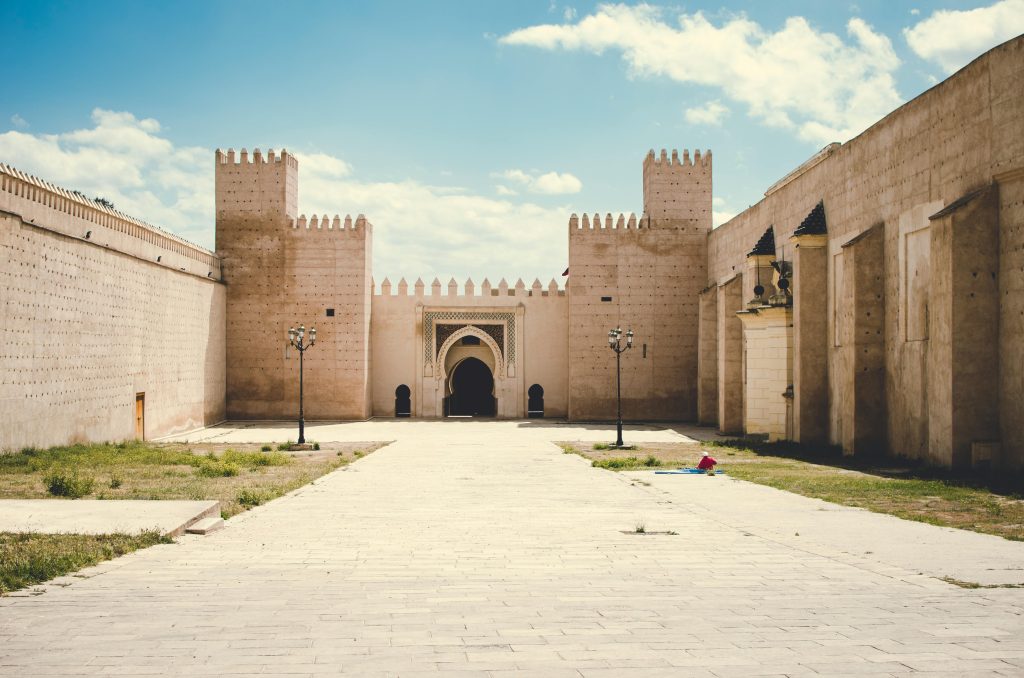
If you’re planning a trip to Morocco, we highly recommend taking a Cooking classes in Marrakech. At the restaurant, you’ll taste some of the best traditional Moroccan dishes. During a culinary masterclass in the medina, you’ll learn how to make these dishes yourself, so you can recreate them when you return home.
At your own workstation, you’ll prepare your meal using fresh, local ingredients, with guidance from a skilled Moroccan chef. Afterward, you can enjoy the delicious food you’ve made.
Cooking classes in Marrakech offer private workstations, so you can focus on cooking without distractions. Each class includes a tasting session, and you can choose how long you want the event to last.
Morocco is a country where life is great, and the food is even better. Moroccan cuisine blends the best flavors from the Middle East. Spices like coriander, saffron, and cumin are key ingredients in many dishes, giving them rich and unique flavors.
Some of the most famous Moroccan meals include couscous, tagine, and pastilla with chicken or seafood. Each dish is carefully prepared, with lots of subtle details that you’ll learn about during a Cooking classes in Marrakech. It’s a great way to really understand and appreciate the flavors of Moroccan cooking.
6: Moroccan dishes that you have to try:
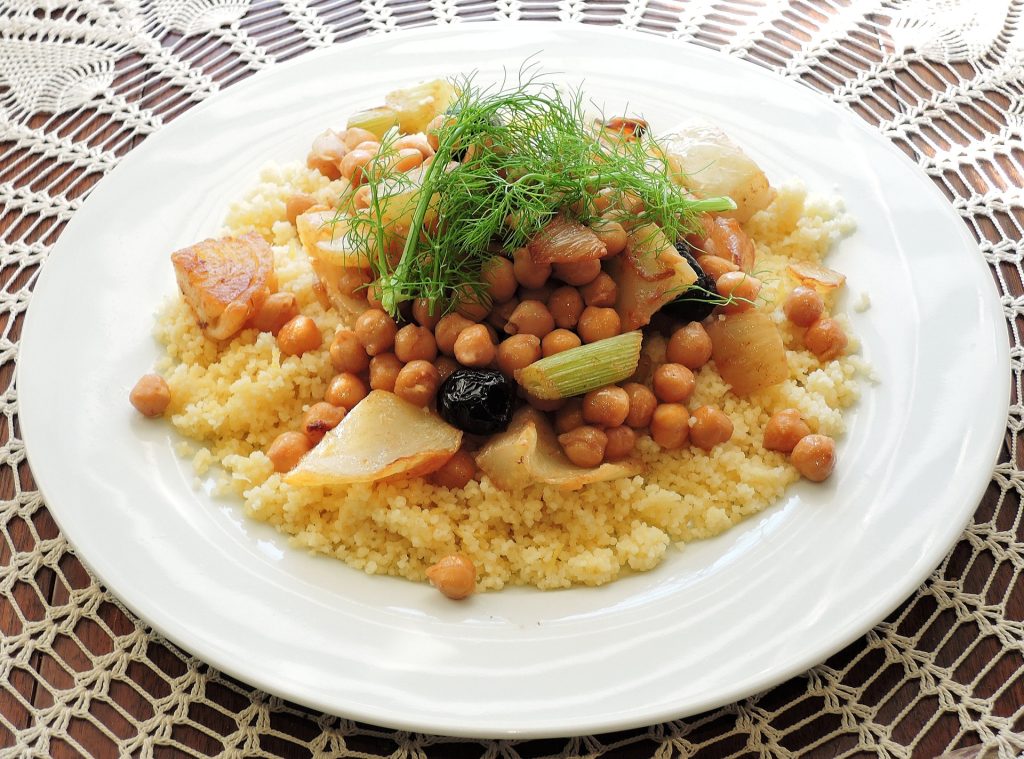
1: Couscous
Every Friday after the prayer, Moroccans all over the world gather around a large clay plate to eat the traditional Moroccan couscous.
Originally a Berber dish, Moroccan couscous is basically a steamed grain of wheat sometimes semolina topped with 7 different vegetables and meat or chicken.
The couscous is usually served with milk a famous Berber drink that involves letting milk ferment for a few hours and then shaking it until you get a sour, delicious drink.
2: Tagine
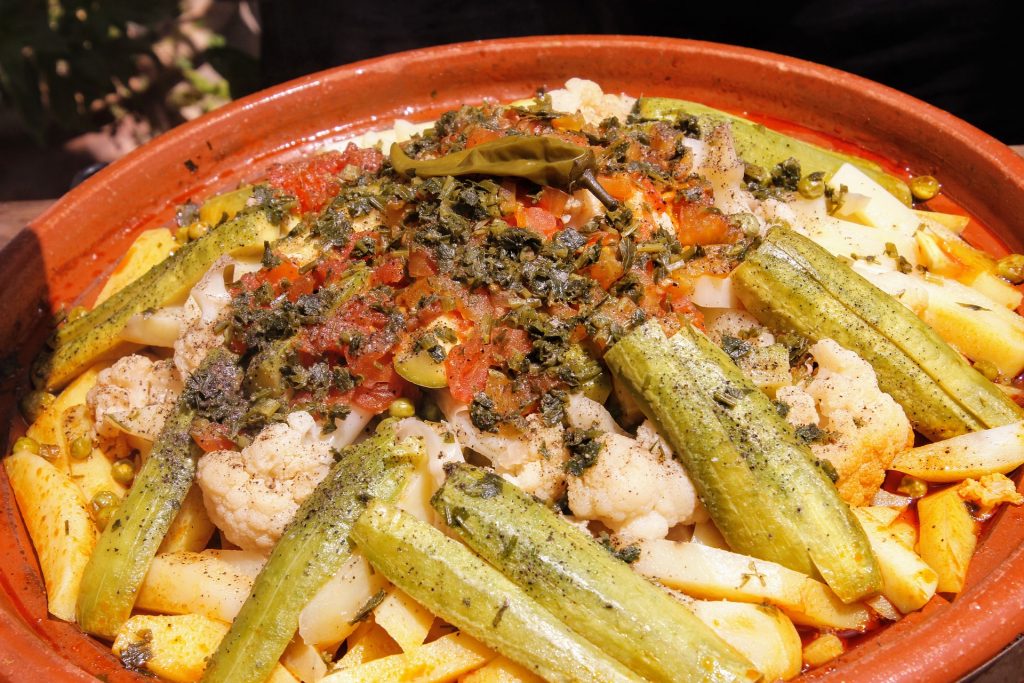
Learn about an ancient Moroccan Amazigh tradition where food is prepared in a unique domed clay pot. Tagine is a Moroccan dish named after the pot in which it is cooked.
This world-famous dish can be made with chicken, meat or vegetables, but this is not common for Moroccans as they love their meat
In tagine, the meat is cooked in a mixture of exotic Moroccan spices and onions and then garnished with either vegetables, green olives or nuts.
What I like about Moroccan tagine is the beautiful presentation and that it is always served with some bread.
3: kefta Tagine
Meatballs (kefta) are a heavenly yummy dish to eat for lunch. The minced meat is seasoned with lots of Cumin, Paprika and herbs before being formed into small balls and slowly cooked in a tomato sauce.
In the last 10 minutes, the egg mixture is added to give the meatballs a great fabulous touch and flavour.
The result is a light, tasty and filling dish served with (khobz) Moroccan bread. This is a dish you should definitely try when you visit Morocco.
4: Boulfaf
Moroccan Eid wouldn’t be the same without boulfaf. This dish is made from spiced lamb liver, heart, and fat, all grilled over charcoal.
After the meat (liver and heart) is grilled on the fire, it’s cut into small cubes, covered in fat, and grilled for a few more minutes. Then it’s seasoned with salt and pepper before being served.
Boulfaf is not commonly found in restaurants, so to try it, you’ll need to be invited by a Moroccan family during the Eid celebrations.
M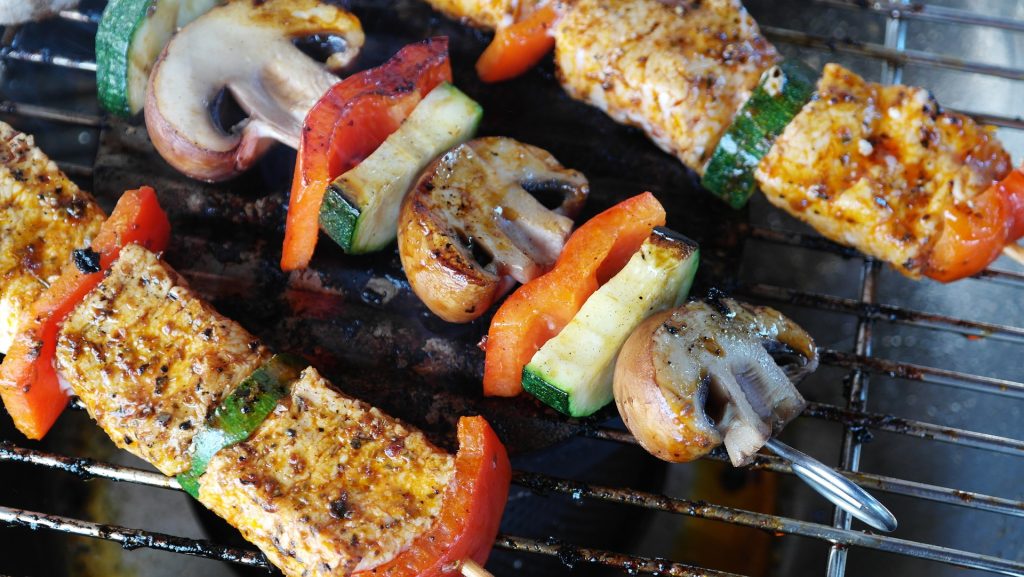
5: Paella seafood
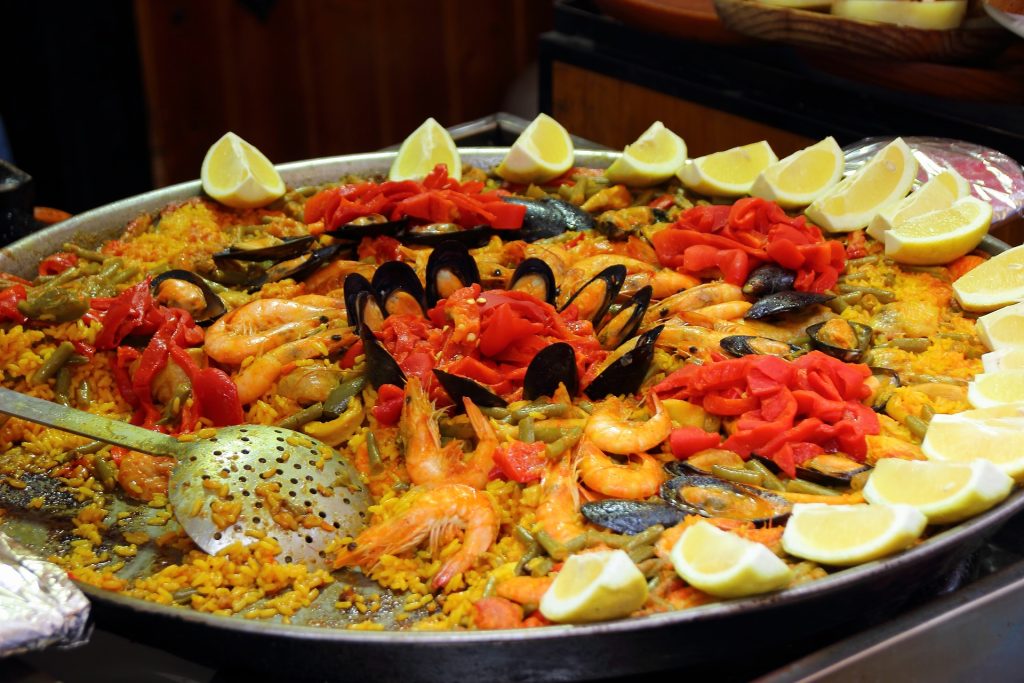
Paella is originally a Spanish dish. However, the Spanish recipe has made its way to neighbouring Morocco, where it has become one of the most famous seafood dishes.
The Moroccan version of paella is essentially chicken and shellfish (“other seafood” is sometimes used) marinated in coriander leaves, cumin and paprika and cooked with rice and broth to create a delicious and flavourful dish
6: Harira Soup
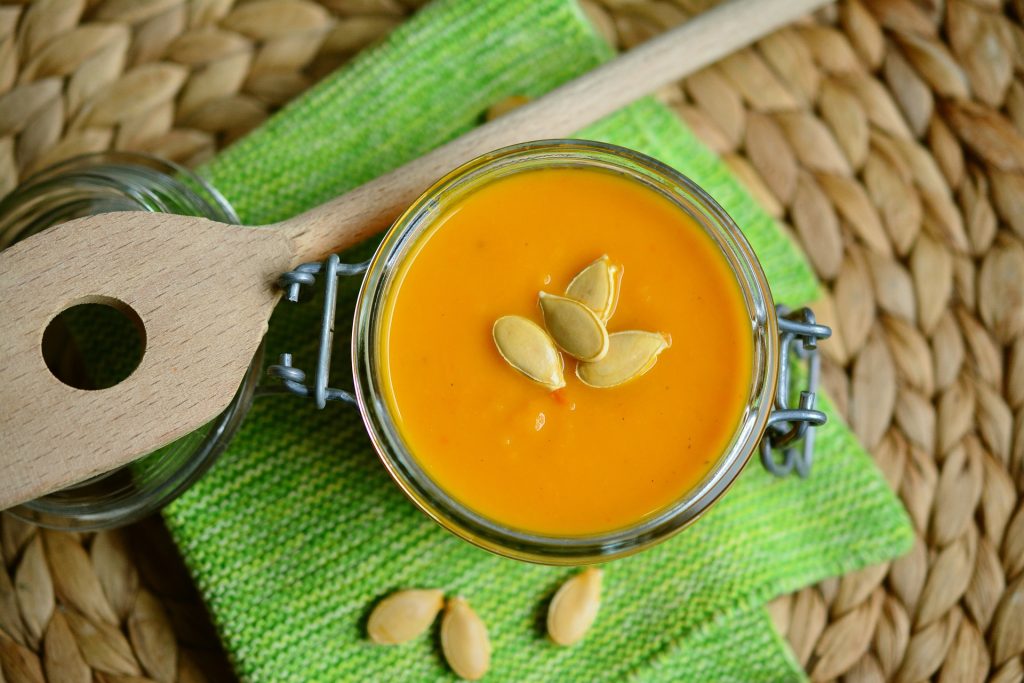
Harira is a traditional Moroccan soup made with tomato sauce, onions, lentils, chickpeas, spices, and lots of fresh coriander and parsley.
It’s a special dish during Ramadan, and no iftar (the meal to break the fast) is complete without a bowl or two of harira. But don’t worry, you can also enjoy harira outside of Ramadan at many restaurants and cafés in Morocco.